Logistics
Warehousing & Fulfillment
Transportation
E-commerce
E-commerce Fulfillment Services
Lease & Maintenance
Semi Trucks
Supply Chain Technology
Fleet Management Technology
Logistics
E-commerce
Lease & Maintenance
Buy Used Trucks

As 2025 comes to an end, e-commerce fulfillment has made noticeable gains, shaping both shopper behavior and brand operations. A U.S. Census Bureau report showed a 14.2% rise in e-commerce sales this year, indicating how online shopping has become part of everyday life.
But this growth is coming at a price.
Today, shoppers expect faster delivery, easier returns, better visibility, and more convenience with every order. These expectations have pushed many brands to strengthen their warehousing, upgrade their technology, expand transportation options, and improve their inventory control.
As we look ahead to 2026, it’s important to understand what shaped e-commerce in 2025 and what brands will need to prepare for.
That’s why, in this article, we’ll break down the key trends in consumer behavior, fulfillment, delivery, and returns, and discuss how companies can stay ahead in a fast-moving digital retail environment.
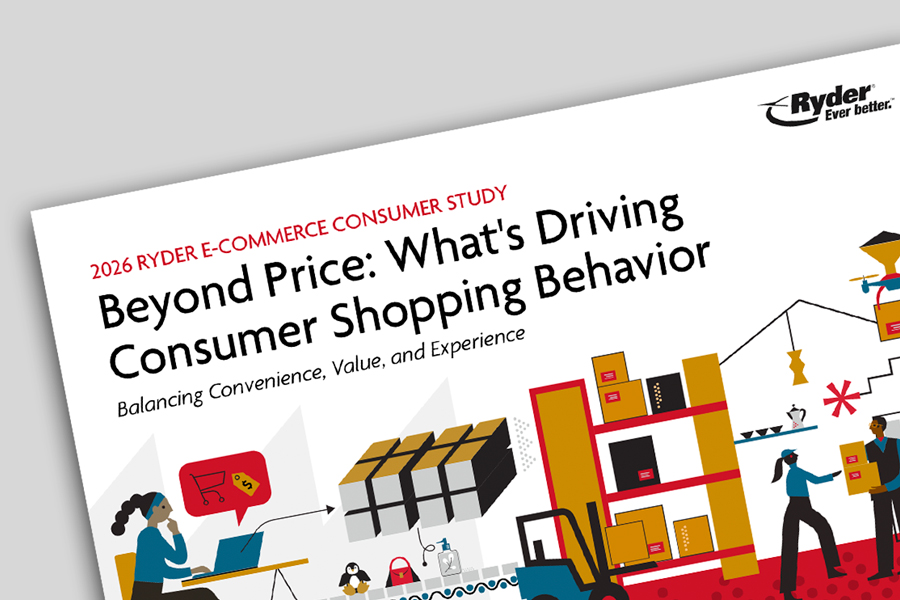
The 2025 Ryder E-commerce Consumer Study shows that shoppers have evolved to expect a lot more from the brands they buy from.
They want quick, easy, and clear…and when things fall short, they notice immediately.
A simple overview of what those expectations look like today includes:
Even with strong demand in 2025, many e-commerce brands struggled to meet the speed and service levels shoppers expect.
Some of the most common challenges included:
These challenges highlight the need for a supply chain that can scale and adapt quickly. Ryder helps address these issues through flexible warehousing, advanced inventory tools, and integrated transportation solutions.
Several delivery trends stood out in 2025 and played a major role in how brands met rising customer expectations:
Brands that leaned into these approaches maintained strong service levels and kept their delivery promises. Transportation and last-mile solutions from Ryder support this balance by helping companies manage cost, speed, and reliability across different delivery networks.
Returns continued to put pressure on profitability in 2025. Brands that failed to produce a clear, structured returns setup suffered from slower turnaround times, lost revenue, and item value depreciation.
Some of the other key trends seen throughout 2025 included:
Managing returns effectively helps brands keep more value from returned items and improve the overall customer experience. A clear reverse logistics process makes a noticeable difference in maintaining profitability amidst returns.
Omnichannel retail accelerated in 2025 as shoppers looked for smoother experiences across every touchpoint. Brands that connected their e-commerce, physical stores, and wholesale channels were able to stay ahead by:
Stronger omnichannel capabilities not only improved customer satisfaction but also helped brands utilize their existing space and resources more efficiently. Ryder supports this through a unified approach that brings together fulfillment, store replenishment, wholesale distribution, and returns under one operation.
The lessons from 2025 have set the stage for 2026. As e-commerce grows, brands will need to stay flexible, improve visibility, and scale without compromising the customer experience.
Below are some key trends that we expect will shape e-commerce operations in 2026.
More brands are placing inventory closer to high-demand markets.
This approach helps by:
A more regionalized, distributed network gives brands the speed and flexibility they need to keep up with shifting demand and avoid the risks of relying on a single location.
Speed still matters, but cost and efficiency are just as important. Brands will focus on:
Brands that diversify delivery options and improve routing will be better positioned to offer the speed customers expect without driving up costs.
Surges in demand require warehousing that can scale quickly. Key approaches include:
Flexible warehousing models help brands stay steady (and even grow) during busy periods without taking on unnecessary long-term commitments.
Returns continue to affect profitability. Leading practices for 2026 include:
Stronger returns processes protect profitability by moving items back into circulation faster and improving the overall customer experience.
Integrated technology helps teams manage complex operations. Brands are focusing on:
Better visibility across channels allows teams to make quicker, more informed decisions, reducing uncertainty and preventing small issues from snowballing into expensive delays.
Omnichannel fulfillment keeps growing as shoppers blend online and in-store buying. This includes:
Labor flexibility is still crucial. Brands will rely on:
A flexible workforce supported by automation ensures operations stay consistent, even when demand shifts suddenly.
By focusing on these seven areas, brands can keep up with rising customer expectations and maintain efficiency, reliability, and profitability throughout 2026.
Success in 2026 will depend on how well brands strengthen their networks, improve visibility, and adapt to rising consumer expectations.
Some of the most important areas to focus on include:
Brands that put these pieces in place will be better equipped to meet customer expectations in 2026 while staying efficient and profitable.
E-commerce fulfillment in 2025 highlighted how challenging it can be to keep up with rising customer expectations, disconnected systems, and increasingly complex fulfillment networks.
As we move into 2026, success will rely on stronger supply chain agility, greater technology-driven visibility, and flexible fulfillment strategies that can adapt to shifting demand.
Ryder supports these needs through a full range of e-commerce solutions, including integrated technology, nationwide warehousing, strong returns management, and reliable last-mile delivery. These capabilities help brands stay competitive, scale faster, and maintain a strong customer experience in a fast-changing market.
Feel free to get in touch to learn how Ryder can support your e-commerce operations and help you move confidently into 2026.